Thinking Maps
The infusion of Hyerle’s Thinking Maps across the whole curriculum has provided our students with a method to sort and present information, providing a rich vocabulary to express and discuss their ideas in relation to the content they are studying and their underlying thinking.
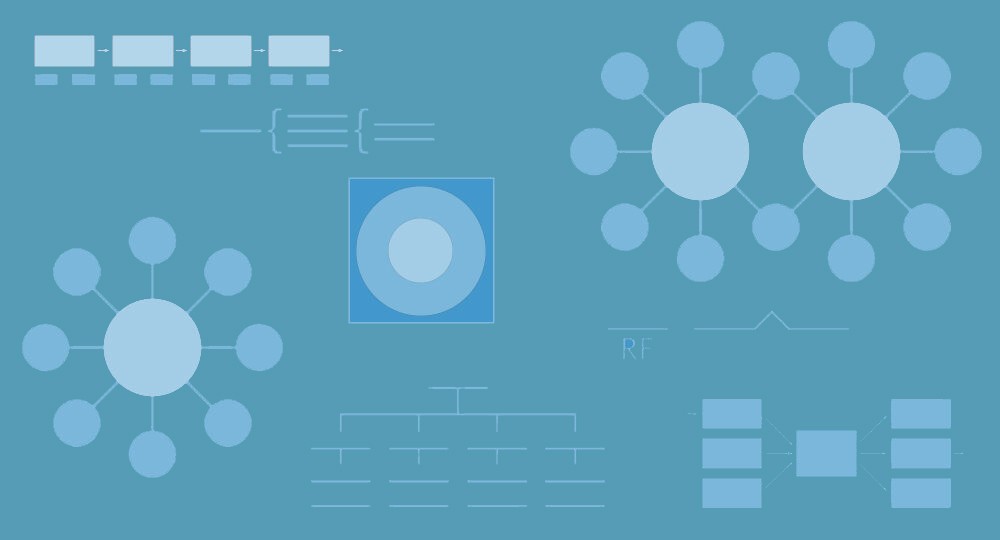
How Are They Used?
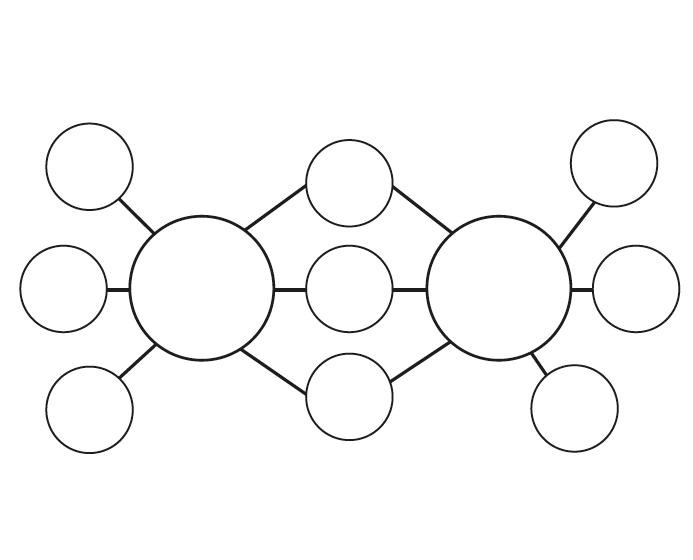
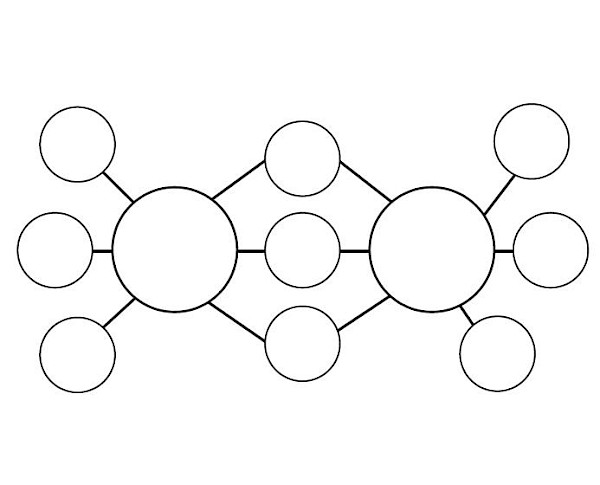
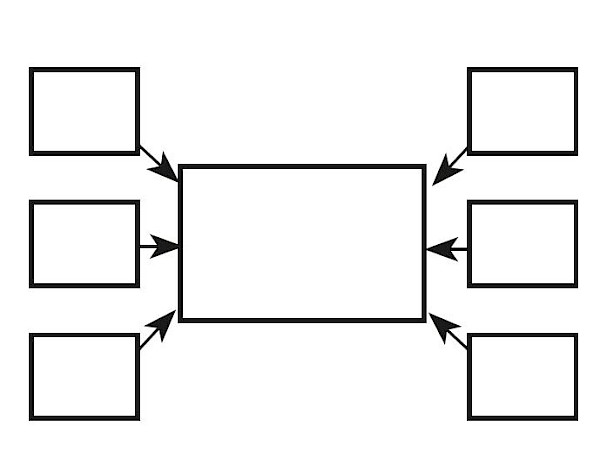
The application of a Map to a task is not arbitrary – each Map links to a specific thinking process which is informed by the nature of a specific task. For example, in English, comparing and contrasting two characters using specific terminology could be supported by the use of a double bubble map. All learners within the class might use a ‘double bubble’ to share their ideas but the task might be differentiated through the application of a relevant ‘Frame of Reference’. These frames add a level of teacher and student flexibility to the highly structured Maps, which otherwise might be too rigid.
Thinking Map |
Thinking Process |
|---|---|
|
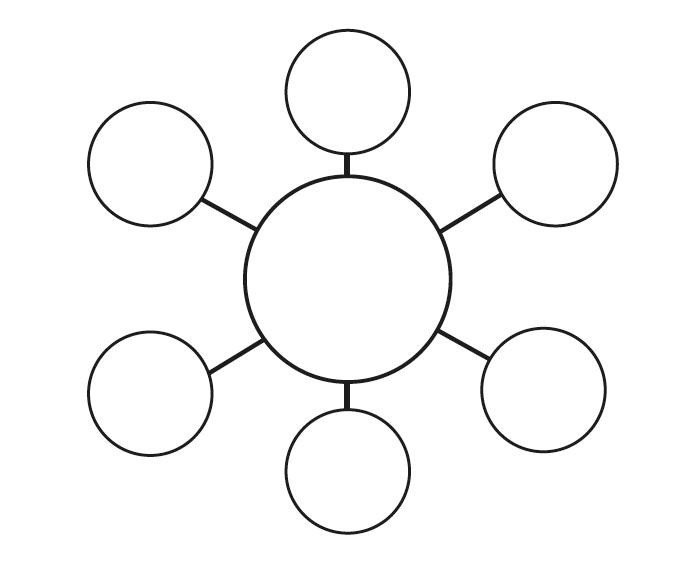
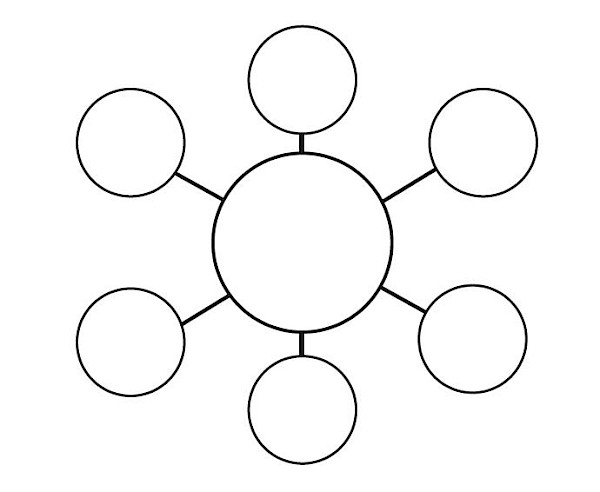
Bubble Map |
Describing |
|
Double Bubble Map |
Comparing and contrasting |
|
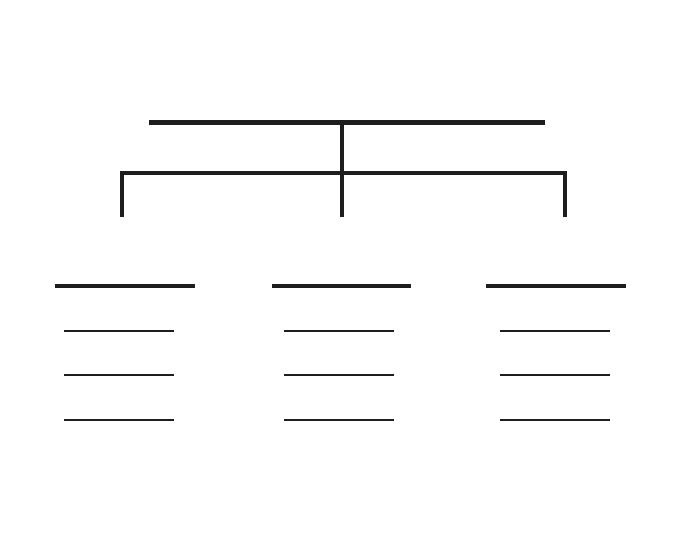
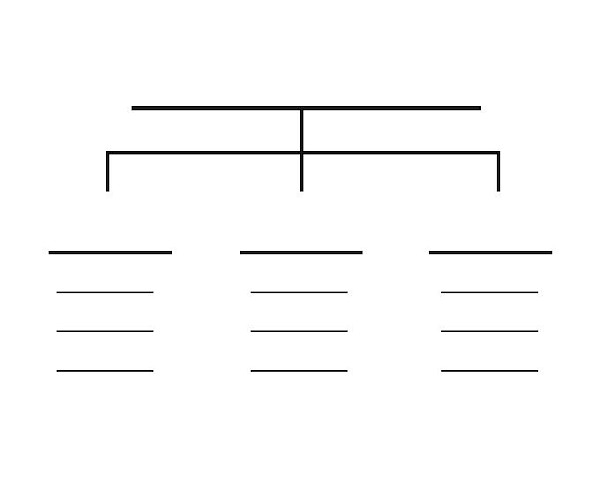
Tree Map |
Classifying |
|
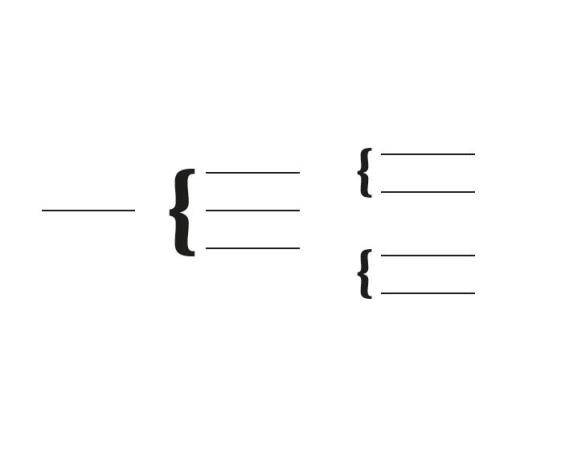
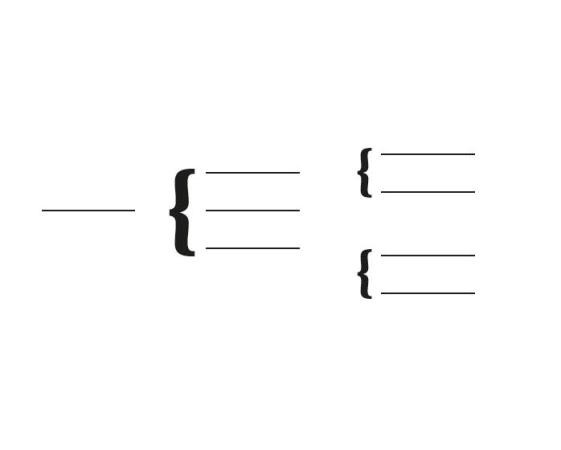
Brace Map |
Identifying whole/part relationships |
|
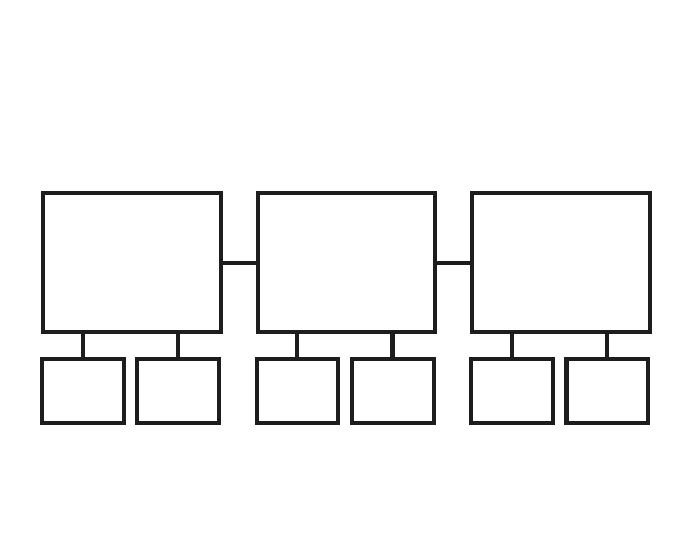
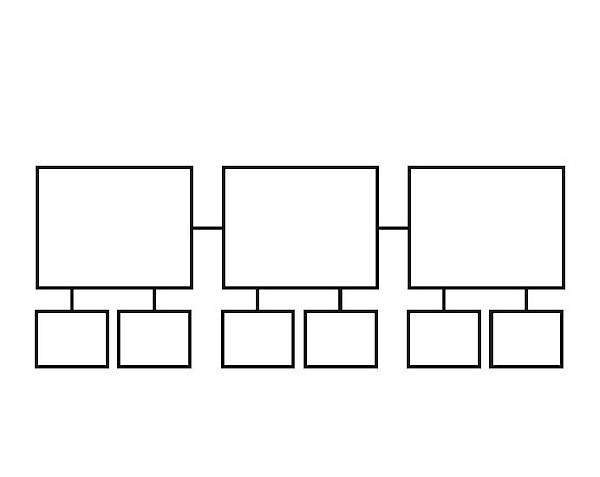
Flow Map |
Sequencing |
|
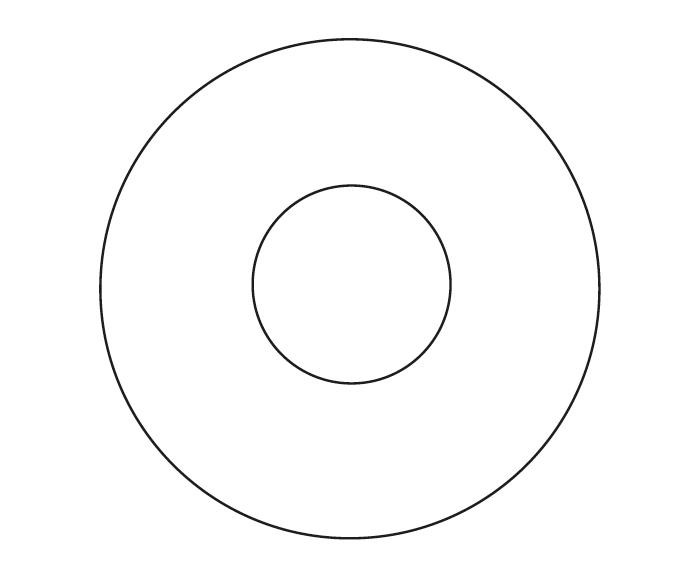
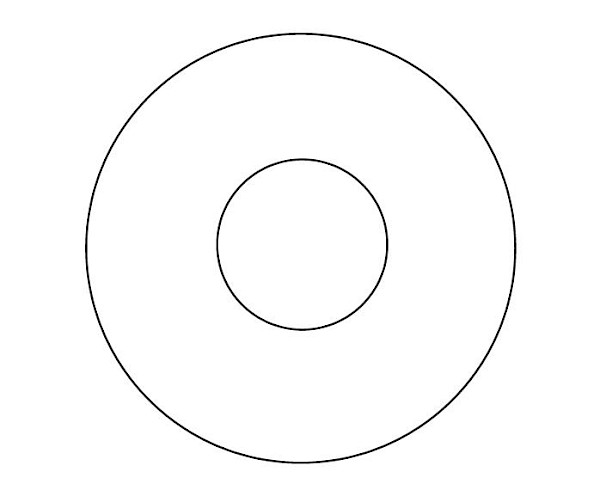
Circle Map |
Defining in context |
|
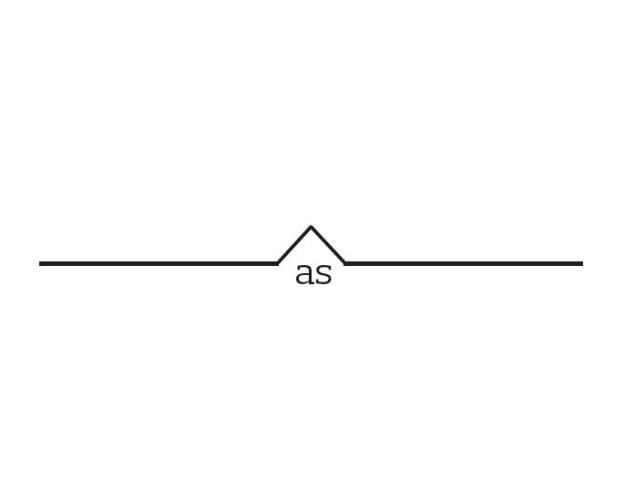
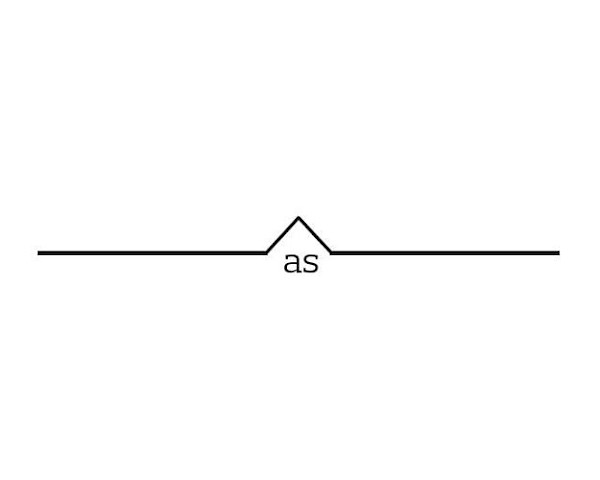
Bridge Map |
Seeing analogies |